Northend Font for Modern Web Design
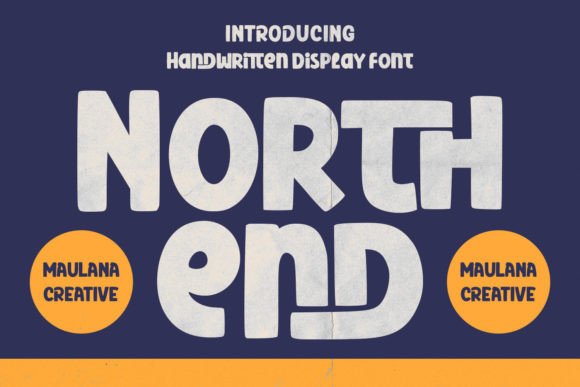
Northend is a modern handwritten display font that brings a bold and fun character to digital design. Its unique stroke and ligature features make it an excellent choice for creative projects, from logo design to social media graphics. As a web designer, I’ve found Northend to be a versatile tool that enhances visual hierarchy and brand tone across various online platforms.
Visual Characteristics of Northend
Northend has a distinctive personality with its bold strokes and playful ligatures. This makes it ideal for attention-grabbing headlines and decorative accents. The font’s modern appeal allows it to blend well with both contemporary and traditional design aesthetics. Its handwritten style gives a personal touch, making it perfect for branding that aims to feel approachable and creative.
Applying Northend in Web Design
When designing a website, the choice of font can significantly impact user experience and brand perception. Northend works exceptionally well in hero sections and landing pages where a strong visual presence is needed. It adds a dynamic element to headers and call-to-action buttons, encouraging users to engage with the content.
For example, using Northend on a creative portfolio site can help highlight project titles and make them stand out. Similarly, in an online store, it can be used for promotional banners or product highlights, creating a sense of excitement and uniqueness.
Readability and Visual Hierarchy
While Northend is a display font, its readability should not be overlooked. When used appropriately, it maintains clarity even at smaller sizes. For mobile responsiveness, it's important to ensure that Northend doesn’t compromise legibility on smaller screens. Pairing it with a clean sans serif font for body text helps maintain a balance between creativity and readability.
In conversion-focused layouts, Northend can be used for short phrases and key messages that need to capture attention quickly. Its bold appearance ensures that important information is easily scannable, improving user engagement and reducing bounce rates.
Font Pairing Strategies
Font pairing plays a crucial role in achieving a cohesive design. Northend pairs well with simple sans serif fonts like Helvetica or Arial for body copy, providing a clear contrast between headings and paragraphs. This combination ensures that the design remains visually appealing without overwhelming the reader.
For editorial designs or blog headers, Northend can be paired with a serif font to create a more sophisticated look. This approach is particularly effective for content-driven websites where readability and elegance are essential.
Brand Identity and Professionalism
The use of Northend can influence how a brand is perceived online. Its modern and slightly whimsical nature is suitable for brands that want to convey creativity and innovation. However, it's important to consider the overall brand tone before incorporating Northend into a design. For more professional or corporate identities, a more subdued font might be preferable.
Despite its playful characteristics, Northend can still maintain a level of professionalism when used in moderation. It works best as a primary font for headings and secondary text for decorative elements. This ensures that the brand remains credible while still being visually engaging.
Practical Applications of Northend
Northend is highly adaptable and can be used in various contexts such as course sales pages, coaching websites, and digital ad campaigns. On a coaching website, for instance, Northend can be used for headline titles and section headers, reinforcing the brand's message of inspiration and growth.
In a product landing page, Northend can draw attention to key selling points and benefits. Its use in call-to-action areas can increase click-through rates by making the buttons more noticeable and inviting.
Ensuring Optimal Performance
When implementing Northend on a website, it's essential to check for available styles, file formats, and webfont compatibility. Ensuring that the font loads efficiently is crucial for maintaining good site performance. Additionally, verifying multilingual support can be beneficial if the website targets a global audience.
For commercial use, obtaining the correct font licensing is necessary. Whether it's for client projects, online stores, or digital templates, proper licensing ensures that the font is used legally and professionally.
Northend is a valuable addition to any designer's toolkit. Its versatility and unique style make it a great choice for enhancing brand identity and user engagement. By considering its application in different design contexts, designers can effectively leverage Northend to create visually compelling and functional web experiences.